You wash your face every day.
You probably moisturize. Maybe you use a serum, sunscreen, exfoliant, or other skincare products, too.
So why can your skin still look dull, congested, uneven, or dehydrated?
Because clean skin and healthy-looking skin aren’t necessarily the same thing.
Your daily cleanser is an important part of your routine, but cleansing is only one piece of maintaining your skin. Dead skin cells, oil, environmental impurities, and dehydration can all affect how your complexion looks and feels.
And sometimes, your skin needs more than another product sitting on your bathroom counter.
What Happens When Dead Skin Cells Build Up?
Your skin naturally sheds dead skin cells as part of its normal renewal process.
But when those cells accumulate on the surface, they can contribute to a complexion that looks:
- Dull
- Rough
- Uneven
- Dry
- Less radiant
Buildup can also make skincare feel less effective because products have to work through the outer layer of the skin before reaching where they’re intended to work.
That doesn’t mean you should aggressively exfoliate every day.
In fact, over-exfoliating can irritate your skin and make things worse.
The goal is the right amount of exfoliation for your individual skin.
Dehydrated Skin Can Make You Look More Tired
Dehydration is another common reason skin can appear less vibrant.
When skin lacks adequate moisture, fine lines can become more noticeable and the complexion may appear dull or less plump.
This is one reason hydration is such an important part of professional facial treatments.
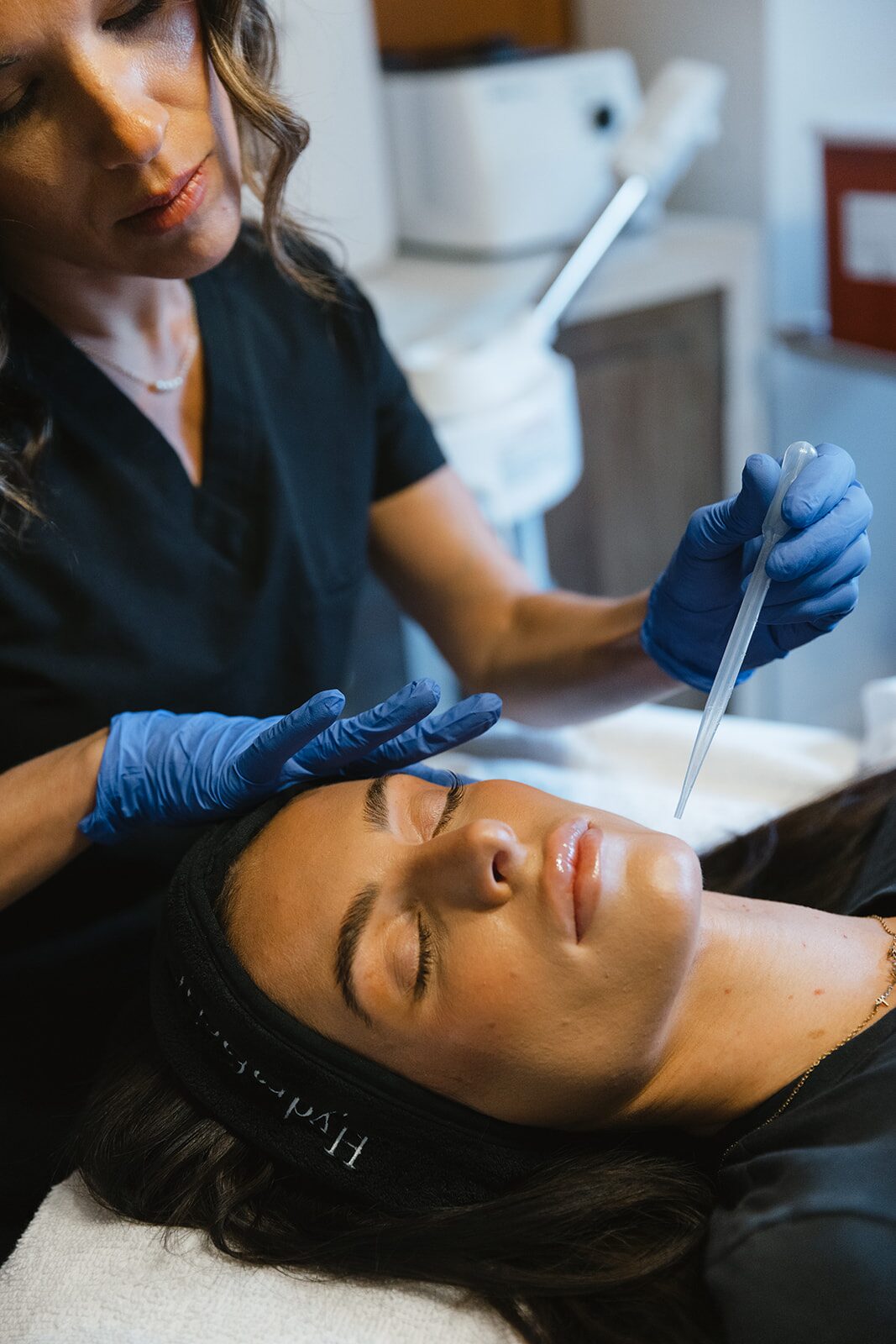
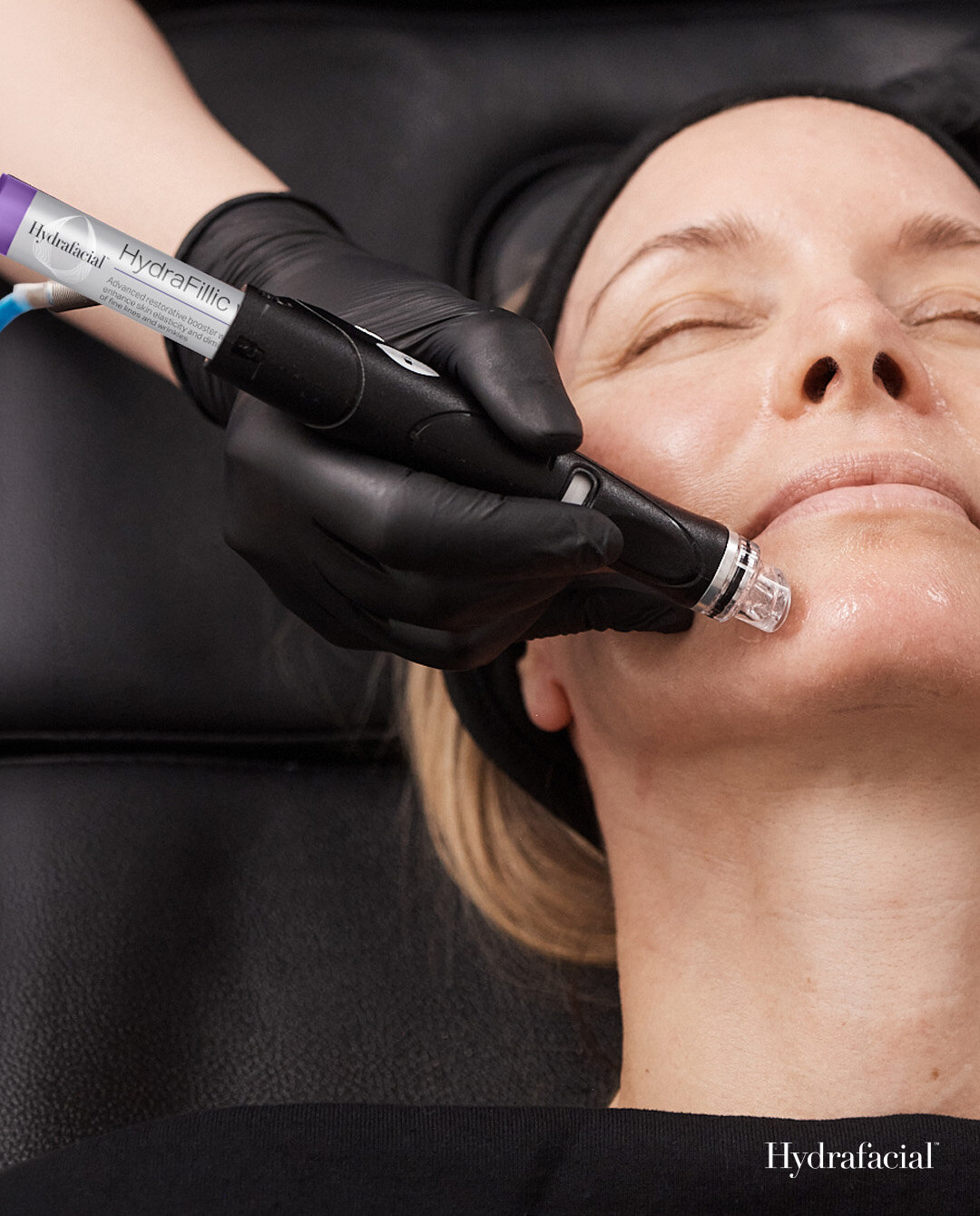
HydraFacial at Med Spa SLO combines cleansing, exfoliation, extraction, and hydration while delivering nutrient-rich serums to the skin.
Why Your Home Routine May Not Be Enough
A good home routine is essential.
But there’s a difference between maintaining your skin every day and receiving a professional treatment designed around your specific concerns.
At Med Spa SLO, each facial begins with a personalized consultation. Treatments can be adjusted based on concerns such as dry skin, aging, acne, pigmentation, and texture.
That customization matters because not everyone’s skin needs the same thing.
Someone struggling with dehydration may need a very different approach than someone primarily concerned with pigmentation or acne.
What Is a HydraFacial?
HydraFacial is a non-invasive facial treatment that uses patented Vortex-Fusion technology to cleanse, exfoliate, extract impurities, and hydrate the skin.
Med Spa SLO offers several HydraFacial options.
HydraFacial Signature
The Signature treatment focuses on the fundamentals: cleansing, exfoliation, and hydration using antioxidants and hyaluronic acid.
HydraFacial Deluxe
The Deluxe treatment adds customized booster serums and LED light therapy, allowing the treatment to be tailored toward concerns such as fine lines, pigmentation, or acne.
HydraFacial Platinum
The Platinum option adds lymphatic drainage, LED therapy, and targeted boosters for a more comprehensive treatment experience.
The right option isn’t necessarily the most expensive one.
It’s the one that makes sense for your skin and your goals.
What About ZO Skin Health and ALASTIN?
Professional treatments are only one part of long-term skin health.
What you use between appointments matters, too.
Med Spa SLO carries ZO Skin Health and ALASTIN Skincare, allowing patients to continue a professional skincare approach at home.
ZO Skin Health focuses on correcting, protecting, and maintaining skin health with medical-grade skincare protocols.
ALASTIN is a medical-grade skincare brand focused on aging skin and post-procedure care, including products featuring its TriHex Technology.
The benefit of combining professional treatments with an appropriate home routine is consistency.
You aren’t simply trying to make your skin look better for one day.
You’re creating a long-term approach to maintaining healthier-looking skin.
How Often Should You Get a HydraFacial?
There isn’t one schedule that works for everyone.
Med Spa SLO notes that many people see visible refinement and a more radiant complexion after one treatment, while regular treatments are commonly recommended every 4–6 weeks depending on skin condition and goals.
Your provider can help determine the appropriate frequency based on your skin.
Don’t Wait Until Your Skin Looks “Bad”
This is where prevention becomes important.
You don’t have to wait until your skin looks significantly damaged or aged before you start taking a more proactive approach.
If your complexion is becoming duller, your texture feels rougher, or your skin isn’t holding hydration the way it used to, those may be signs that your current routine needs some attention.
That doesn’t automatically mean you need a professional facial.
But it may be worth finding out why your skin has changed before simply adding another product to your routine.
Healthy Skin Is a Long-Term Investment
Great skin isn’t usually the result of one miracle treatment or one expensive product.
It’s the result of understanding your skin, protecting it, treating concerns appropriately, and staying consistent.
A professional HydraFacial can be one part of that approach.
And when combined with medical-grade skincare such as ZO Skin Health or ALASTIN, your skincare strategy can extend beyond the treatment room.
If you’re in San Luis Obispo and you’re not sure what your skin actually needs, a personalized consultation can help you determine where to start.
Your skin doesn’t need to be perfect. It just needs the right plan.